Seeing a leopard, a blue whale or a turtle hatchling is unforgettable, and it should be good for the animals too. Here's how we keep our wildlife experiences responsible.
On safari
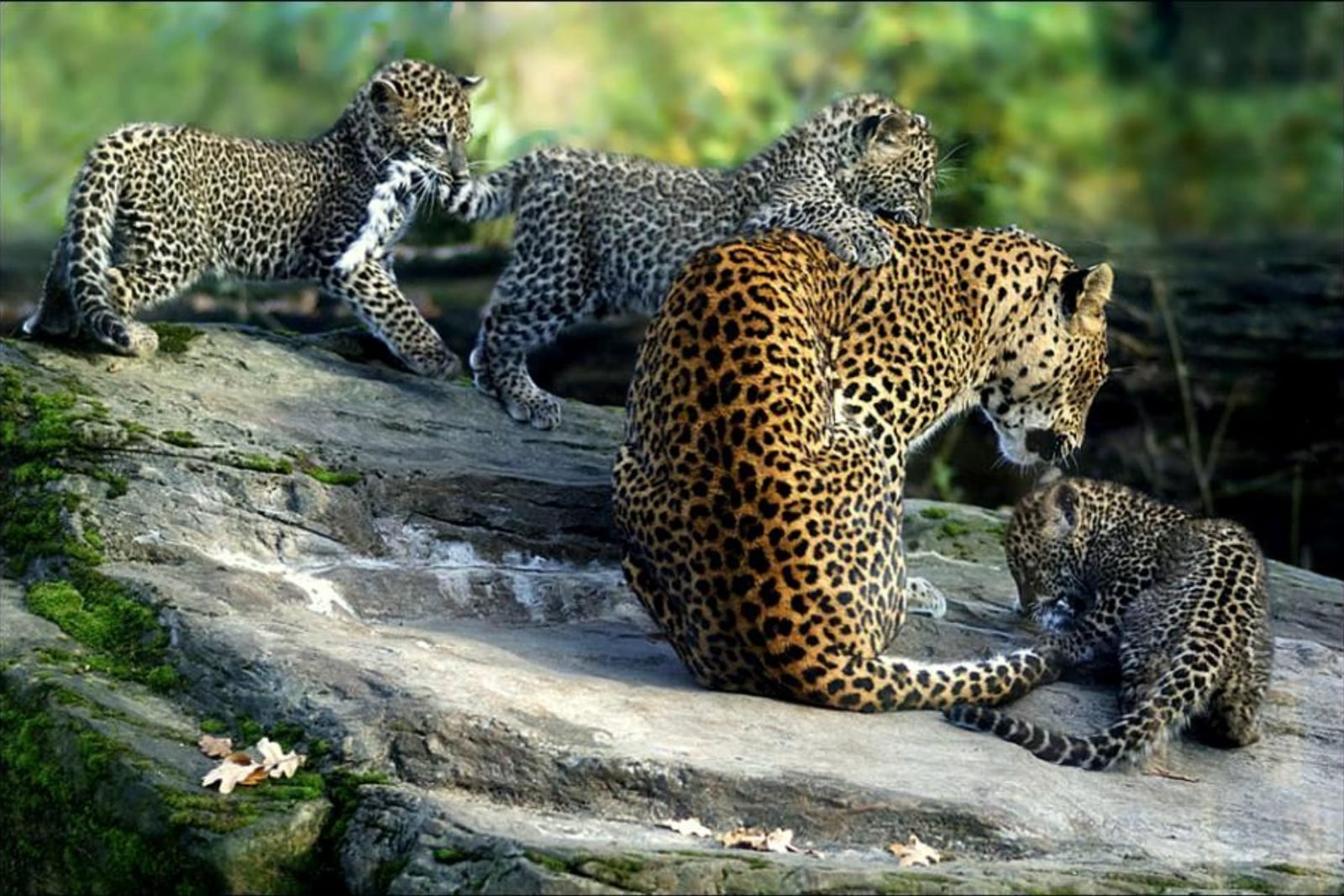
We work with drivers and trackers who keep their distance, stay on the tracks and never feed animals. We plan safaris around the best light and the quietest routes, not the biggest crowds.
At sea
We choose whale-watching operators that approach slowly, keep a respectful distance and never chase whales or dolphins.
With turtles
Five of the world's seven sea turtle species nest in Sri Lanka. We visit conservation hatcheries where turtles aren't handled and hatchlings are released quickly, and we watch wild nesting at Rekawa with trained guides.
With elephants
We don't offer elephant rides or shows. We see elephants in the wild at Minneriya, Udawalawe and Yala, and visit the Udawalawe Elephant Transit Home at feeding time, where orphaned calves are raised and returned to the wild at around five years old. Where an itinerary includes the Pinnawala Elephant Orphanage, it's to watch the herd at feeding and bath time.
Want to travel with a lighter footprint? Ask us about our wildlife journeys. Shall we?